
Jaguar, the iconic British luxury car brand, has long been associated with sleek design, powerful performance, and a timeless elegance that captured hearts globally. Founded in 1922 and gaining renown in the mid-20th century, Jaguar cars became synonymous with sophistication and exclusivity, a status symbol coveted by many. However, in recent years, Jaguar’s sales and brand relevance have waned, prompting a radical rebranding effort unveiled in November. This rebrand, spearheaded by Chief Creative Officer Gerry McGovern, has received widespread criticism from consumers and branding experts.
The new logo, typeface, and overall brand aesthetic mark a stark departure from Jaguar’s historical identity, leaving many questioning whether the brand has lost its way. But, with the Type 00 concept now unveiled, this could lie a calculated business move aimed at future-proofing the brand in a rapidly evolving automotive landscape. Let’s examine the rebrand from both sides, exploring the motivations behind the overhaul and the backlash it has provoked.
How Cars and Our Relationship to Them Are Changing
Jaguar’s rebrand is driven by a profound shift in the automotive industry: the electrification of transport. With plans to become an all-electric brand by 2026, Jaguar is aligning itself with the future of mobility. Electric vehicles (EVs) are seen as the pinnacle of modern, sustainable luxury, offering an environmentally conscious alternative for the premium car buyer.
This pivot is not only logical but necessary. The luxury car market is intensely competitive, with brands like Tesla and Porsche capturing significant market share. Jaguar’s historical reliance on its ageing “gin and Jags” audience—a shorthand for the older, affluent demographic enamoured with classic British luxury—has left it struggling to attract younger buyers. The rebrand seeks to address this by repositioning Jaguar as a forward-thinking, aspirational brand for Millennials and Gen Z, who view cars less as practical tools and more as symbols of identity and status.
Moreover, the broader context of transportation is evolving. E-hailing services, car-sharing platforms, and advanced public transport systems are reshaping how people perceive car ownership. In this new world, cars are less about necessity and more about making a bold statement. The Jaguar Type 00 definitely aims reflects this, creating a striking image that appeals to consumers who want more than just a mode of transport—they want an experience.
The Business Case for Jaguar’s Rebrand
The numbers paint a dire picture: Jaguar’s annual sales have plummeted from 180,000 vehicles in 2018 to fewer than 67,000 in 2023. The brand has been teetering on irrelevance in a marketplace dominated by faster-moving competitors. Bold action was needed.
Jaguar is attempting to shed its old skin and step into the future by embracing a sleek, modern aesthetic and redefining its brand values. Gerry McGovern explained that the rebrand is about “recapturing the essence of Jaguar” while making it relevant for contemporary audiences. While this could be seen as an act of chasing trends, McGovern believes this will help Jaguar survive and thrive in an industry undergoing seismic changes.
The move also signals a shift in target demographics. Jaguar is no longer marketing to its traditional customer base but to their children and grandchildren—tech-savvy, environmentally conscious individuals who prioritise innovation and design. This strategy, while risky, could position Jaguar as a leader in the next generation of luxury vehicles.
A Legacy Forgotten
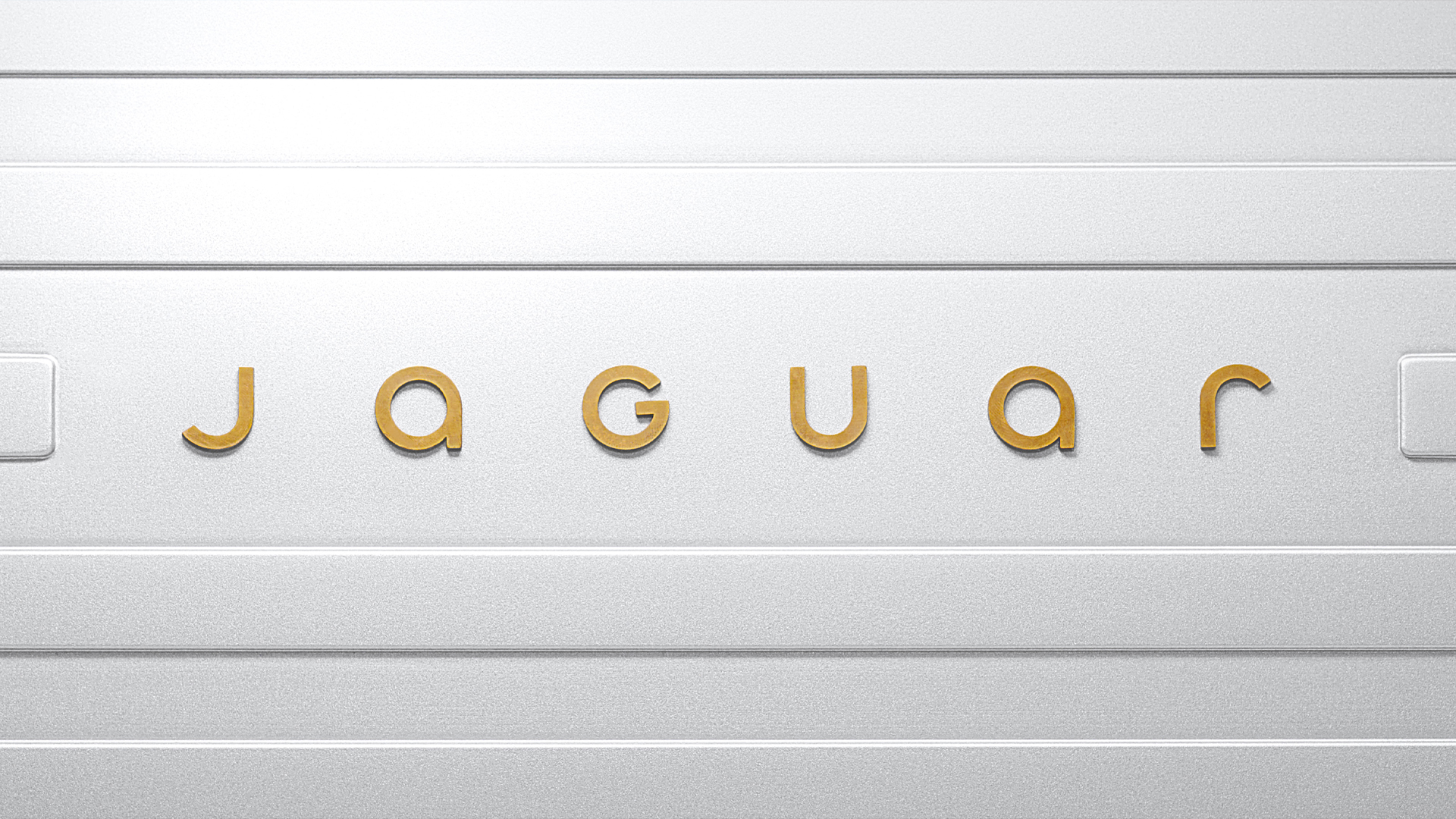
The backlash to Jaguar’s rebrand has been visceral. Much of the criticism centres on the abandonment of the brand’s iconic elements, particularly the leaping Jaguar badge and the classic typeface that conveyed heritage and elegance. For many, these symbols were integral to the brand’s identity, and their removal feels like a betrayal.
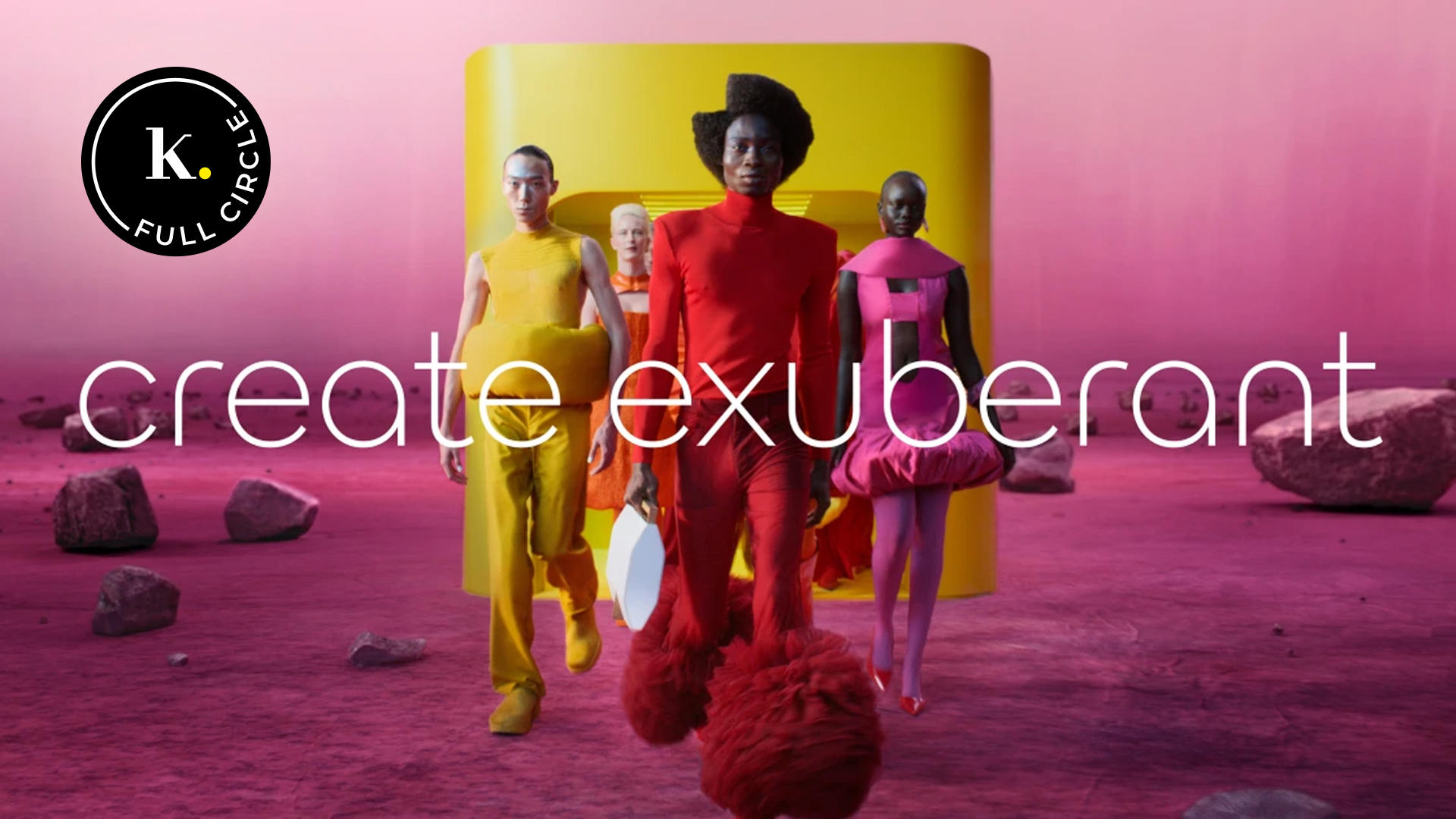
The new typeface, minimalist design language, and fashion-inspired teaser video have left consumers scratching their heads. The campaign’s “Copy Nothing” tagline may nod to Jaguar’s founder, Sir William Lyons, but the execution feels so detached from the brand’s history that it’s unrecognisable.
Brand loyalty is deeply tied to emotion. Jaguar’s existing audience, who have cherished the brand for decades, likely feel alienated by this drastic overhaul. Critics argue that the rebrand fails to balance honouring the past and embracing the future, instead opting for a clean slate that risks erasing everything that made Jaguar special.
Other brands, like Guinness, have modernised their image without severing ties to their heritage. This approach has often been more successful, blending nostalgia with innovation in a way that resonates with both old and new audiences. Jaguar’s complete departure from its roots may have been a misstep, leaving it vulnerable to losing its core supporters without guaranteeing the loyalty of new ones.
A Glowing Success of Outrage Marketing
Conversely, the controversy surrounding Jaguar’s rebrand has undeniably brought the brand into the spotlight. Rebrands are almost always divisive, and social media amplifies these debates. Yet, history shows that initial outrage often gives way to acceptance—and even admiration—over time.
Consider BMW’s relaunch of Mini in 2001, which faced similar criticism for straying too far from the original design. Today, it’s a beloved icon. Jaguar may follow the same trajectory if the new branding aligns with a standout product offering in the EV market.
That said, timing is a critical factor. Jaguar’s electric lineup won’t hit the market until 2026, leaving a two-year gap during which the brand must rely on its rebrand to stay relevant. This window offers an opportunity for adjustments and course corrections, but it also risks the brand fading from public consciousness if the rebrand fails to sustain interest.
A Risky Gamble with Potential?
Jaguar’s rebrand and new car concept is an undoubtedly bold move that underscores the brand’s determination to reinvent itself for a new era. While the shift has alienated many loyal customers, it could position Jaguar to capture the attention of a younger, more forward-looking audience. Whether we will remember this rebrand as a visionary transformation or a misstep will depend on how well Jaguar executes its next steps, particularly the rollout of its electric vehicle range.

Ultimately, Jaguar’s rebrand success will hinge on whether it can create a product that lives up to its new image—one that appeals to new customers and rekindles the love of its longtime fans. Only time will tell if Jaguar’s leap into the future will be a masterstroke or a cautionary tale.
